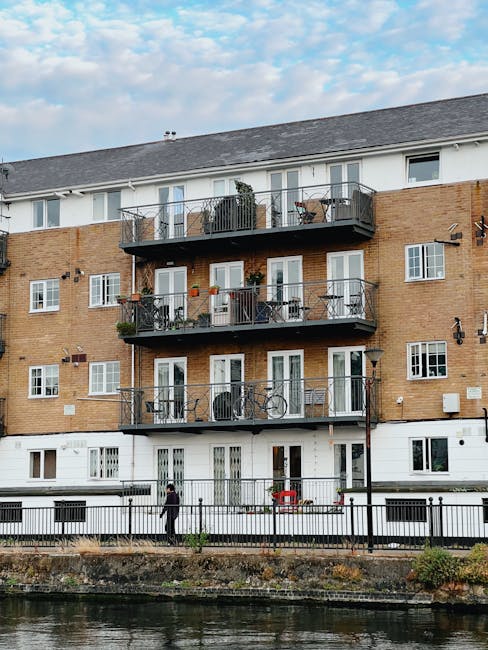
Local gardeners for West Ferry balconies and riverside patios
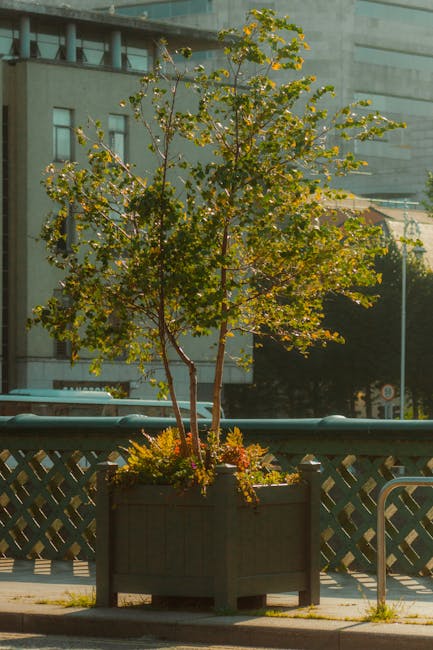
If you live near the water, you already know the appeal: a balcony that catches the morning light, a riverside patio that feels calm at dusk, and just enough outdoor space to make a real difference to daily life. The catch? West Ferry conditions can be a little unforgiving. Wind, reflected heat, shade from neighbouring buildings, and the practical limits of container growing all shape what works and what quickly goes wrong. That is exactly where Local gardeners for West Ferry balconies and riverside patios prove their value.
Rather than treating every outdoor space like a standard back garden, a local specialist can read the site properly, choose plants that can take the exposure, and build a layout that still looks inviting after a blustery week. In this guide, you will find practical advice on design, planting, maintenance, compliance, and the small details that make a balcony or patio feel polished instead of fussy. Truth be told, the difference is usually in the details.
Why Local gardeners for West Ferry balconies and riverside patios Matters
Balconies and riverside patios may look simple from the street, but they are often among the most technically demanding outdoor spaces to maintain well. The plants are exposed to moving air, moisture swings, and strong microclimates created by surrounding buildings and the river itself. A lavender that thrives in one spot might sulk in another. A planter that seemed stable in spring can become a mess by autumn. Why does this matter? Because a poor planting choice is not just ugly; it becomes expensive, frustrating, and time-consuming.
Local gardeners understand those patterns. They know which materials weather well, which plants cope with gusts, and how to make a small space look generous without cluttering it. That local knowledge is especially useful when you want privacy, easy upkeep, or a patio that still feels welcoming in winter. If you are trying to transform a tired terrace, the article on transforming an overgrown garden into a stunning oasis is a good companion read because the same principles of structure and reset apply outdoors in miniature.
There is also a safety angle. On balconies, weight, drainage, and secure positioning matter far more than people realise. On riverside patios, wet surfaces and wind-blown debris can create slippery, awkward conditions if the space is not designed properly. A good gardener is not only thinking about flowers. They are thinking about stability, access, and how the whole space will behave in January, not just in June.
How Local gardeners for West Ferry balconies and riverside patios Works
The process usually starts with a site visit or a detailed conversation. A gardener assesses sun, shade, wind exposure, drainage, railing style, surface material, and the amount of time you realistically want to spend maintaining the space. That first stage matters more than most people think. To be fair, plenty of disappointing balcony schemes begin with a shopping list instead of an actual plan.
From there, the gardener maps the space into functional zones. One area may be for seating, one for planting, and one for access or storage. In compact settings, every square metre has to earn its keep. That is why services such as designing perfect garden seating spaces are so relevant even to balconies; the principle is the same, just tighter.
Then comes planting strategy. Riverside and balcony schemes tend to rely on containers, troughs, railing planters, climbers, and sometimes lightweight raised features. If needed, the gardener may advise on vertical planting too, especially where floor space is limited. You can see the logic behind that approach in vertical gardening ideas, which is a strong fit for compact urban outdoor areas.
Finally, the gardener sets up an ongoing maintenance rhythm. That may involve watering schedules, feeding, pruning, deadheading, seasonal replanting, pest checks, and cleaning hard surfaces so the space stays pleasant to use. A balcony or patio rarely fails all at once; it usually drifts. Bit by bit. And then one day you look out and think, well, this needs sorting.
Key Benefits and Practical Advantages
One of the biggest benefits is simple: a well-designed outdoor space gets used. Not admired once from the kitchen window, but actually used. Morning coffee, a laptop session, a glass of something cold on a late evening, even a quiet five minutes between calls. That kind of everyday usability is where the value lives.
- Better plant survival: Local gardeners choose varieties that can handle West Ferry exposure rather than forcing in plants that need soft, sheltered conditions.
- Smarter use of space: Containers, shelving, trellises, and compact layouts make small balconies feel organised rather than crowded.
- Lower long-term maintenance: The right planting plan reduces watering stress, seasonal losses, and constant replacement costs.
- Improved privacy: Careful use of screening plants, planters, or climbers can soften sightlines without making the space feel boxed in.
- Cleaner surfaces: Proper patio care keeps paving, decking, and furniture from looking tired or stained too quickly.
- More comfortable outdoor living: Wind control, shade balancing, and seating layout can make a big difference to daily enjoyment.
There is a quieter benefit too: peace of mind. A tidy, well-planned balcony or patio is easier to care for, easier to keep safe, and far less likely to become a source of nagging jobs. A small space done well feels like a relief. And that is not a small thing in London life.
For seasonal resilience, it helps to plan ahead. The guidance in protecting plants in winter and guarding against severe weather is especially useful where exposed patios or waterfront breezes can turn a mild week into a rough one.
Who This Is For and When It Makes Sense
This kind of service is ideal for flat owners, tenants with balcony rights, riverside property residents, landlords preparing a rental, and anyone who wants outdoor space without the burden of heavy garden maintenance. If you have a view worth keeping clear, or a balcony that feels underused because it is too windy or awkwardly arranged, you are squarely in the target group.
It also makes sense if you have already tried the DIY route and found the same pattern repeating: plants fail, pots blow over, algae shows up, watering becomes a chore, and the whole thing starts to look scruffy. That is not a failure on your part. It usually means the space needs a more technical approach.
People often think local gardening help is only for large gardens, but it is often more valuable in small ones. A cramped balcony can be more demanding than a full border because every decision has visible consequences. One oversized planter, and suddenly circulation suffers. One thirsty plant in the wrong exposure, and the whole arrangement starts to look off.
If your space includes timber underfoot, a decked area, or a hard patio, the relevant service mix may also include decking services or patio cleaning before the planting even begins. A clean base helps everything else land properly.
Step-by-Step Guidance
- Assess the conditions honestly. Note how much sun the balcony or patio gets, where the wind hits, where water pools, and which corners are sheltered.
- Decide the main purpose. Ask yourself whether the space is meant for relaxing, growing herbs, screening neighbours, adding colour, or all four. It cannot do everything equally well, not without compromise.
- Choose the right structure. Planters, trellises, benches, shelves, and vertical features should fit the available load-bearing and access requirements.
- Pick suitable plants. Go for compact, container-friendly species that cope with wind and changing moisture levels. A local gardener may suggest climbers, evergreens, herbs, or drought-tolerant perennials depending on aspect.
- Install the containers and surface layers. Use good-quality compost, reliable drainage, and stable pots that will not tumble on a breezy day.
- Set up maintenance routines. Watering, feeding, pruning, and cleaning should be simple enough that you actually keep doing them.
- Review after the first season. Once the space has lived through a few weather changes, you will see what works and what needs adjusting.
A practical example: a north-east-facing balcony with gusty afternoons might do better with evergreen structure, a couple of herb pots, and one or two sheltered colour containers than with a dozen thirsty flowering pots. The answer is not always "more plants". Sometimes the answer is better plants, fewer pots, and tidier edges.
Expert Tips for Better Results
Prioritise stability before decoration. If the planters are light and top-heavy, they will annoy you later. Choose containers with enough weight or anchoring to stay put. Nobody wants to chase a pot across a balcony. It is as ridiculous as it sounds.
Work with wind, not against it. Riversides can be lovely, but they can also be bracing. Break up the flow with layered planting, screens, or strategically placed taller pots. The idea is to soften gusts, not create a sail.
Use repetition for calm. In small spaces, repeating the same pot colour or plant shape often looks more sophisticated than filling every corner with a different texture. One strong rhythm beats ten competing ideas.
Choose low-fuss plants for high-exposure edges. If a corner gets battered, do not place a delicate specimen there and hope for the best. That is optimism masquerading as planning.
Think about fragrance and touch as well as colour. A balcony herb pot, a scented climber, or a textured foliage plant can make the space feel richer in a way that is hard to describe but very easy to enjoy.
Keep maintenance visible and simple. If watering means dragging a heavy watering can through the flat every morning, you will fall behind. Use practical layouts and, where appropriate, self-watering containers or grouped pots.
For plant choice, the articles on container gardening and growing your own herb garden offer useful ideas that translate well to balconies and patios.
Common Mistakes to Avoid
Overcrowding. This is the big one. People buy six beautiful things and then discover the space needs air, access, and somewhere to sit. Leave breathing room. It matters.
Using garden plants that are too large. Some shrubs and perennials look fine in a nursery pot but quickly outgrow a balcony container. Mature size matters more than the label photo.
Ignoring drainage. Waterlogged roots are a fast route to disappointment. Make sure every container has suitable drainage and that excess water has somewhere to go.
Choosing materials that weather badly. Cheap finishes, flimsy supports, and unstable shelves can look acceptable for a month and then deteriorate faster than expected.
Forgetting surface cleaning. A lovely planting scheme can still feel neglected if algae, leaf litter, or staining is left too long on paving or decking. A clean backdrop helps the planting stand out. If that is already an issue, see patio cleaning support as part of the wider approach.
Skipping seasonal planning. Winter, in particular, changes everything. If you only design for summer, the whole scheme can fall flat by November.
Making privacy too dense. Screen the view, yes. Seal the space in like a bunker, no. A balcony should still feel open enough to enjoy the river light and the movement around it.
Tools, Resources and Recommendations
A good setup does not need a shed full of equipment. In fact, smaller spaces usually work better with a disciplined kit. The basics are enough if they are chosen well.
- Compact secateurs for deadheading, light pruning, and herb harvesting
- Watering can or hose access solution suited to your building layout
- Lightweight but stable containers in mixed sizes
- Quality compost and slow-release feed for container health
- Gloves and a hand trowel for routine maintenance
- Soft ties or clips for climbers and vertical features
- Surface cleaner for occasional patio or decking refreshes
For readers who like to prepare well, essential gardening tools is a neat place to sanity-check what you actually need versus what just looks clever in a basket. And if you are trying to keep spend under control, the ideas in budget-friendly low-maintenance gardening are genuinely helpful.
Where disposal or larger refresh work is involved, a responsible approach to green waste matters too. The thinking behind organic waste conversion is relevant because well-managed plant waste can support a cleaner, more efficient maintenance cycle. No need to be dramatic about it. Just sensible.
Law, Compliance, Standards, or Best Practice
For balcony and riverside patio work, compliance is mostly about sensible risk management and respecting the property's constraints. You do not need to become a building expert, but you do need to think carefully about load, access, and safety.
Weight loading: Balconies have structural limits. Heavy planters, stones, water features, and dense raised beds should only be used after the right checks. A local gardener should be cautious here and avoid guesswork.
Water management: Excess runoff can stain surfaces, create slipping hazards, or affect neighbouring areas. Drainage mats, saucers, and the right pot setup matter more than people think.
Fire escape and access: Do not block exits, doors, or routes that need to remain clear. This is common sense, but it is also one of those things people forget once the plants arrive and start looking lovely.
Health and safety: For any maintenance involving ladders, high planters, cutting tools, or awkward access, it is sensible to check the provider's safety approach. If you want a feel for that kind of working standard, look at the company's health and safety policy and insurance and safety information.
Property agreements: Leaseholders and tenants should check whether balcony changes, drilling, trellis installation, or fixture attachment need approval. A careful gardener will usually ask before assuming. That small pause can save a lot of trouble later.
There may also be privacy or cookie considerations when enquiring online, and it is sensible to review a provider's privacy policy and cookie policy if you are sharing details through a website form. For booking terms, the pages on terms and conditions and payment and security are also worth a quick look.
Options, Methods, or Comparison Table
There is no single right way to landscape a balcony or riverside patio. The best method depends on your space, your budget, and how much upkeep you are happy to do. Here is a simple comparison to help you decide.
| Approach | Best for | Strengths | Trade-offs |
|---|---|---|---|
| Container planting | Most balconies and patios | Flexible, easy to refresh, good for renters | Needs regular watering and feeding |
| Vertical planting | Tight spaces and privacy screens | Saves floor space, adds height and texture | Can need stronger fixings and more planning |
| Mixed patio design | Riverside terraces with more room | Combines seating, planting, and circulation well | May require more initial design work |
| Low-maintenance scheme | Busy owners and landlords | Fewer plants to care for, lower effort | Can feel simpler if not styled carefully |
| Screening-focused layout | Overlooked balconies and patios | Improves privacy and comfort | Needs careful balance so it does not feel cramped |
For many West Ferry homes, the sweet spot is a layered container scheme with one or two vertical elements, a clean seating area, and plants chosen for exposure rather than for a catalogue picture. Simple, really. But not easy without help.
Case Study or Real-World Example
Imagine a riverside balcony that had become a bit of a holding area: a random chair, a few tired pots, and a railing that caught the wind like a sail. The owner wanted privacy from nearby flats, but also did not want to lose the open feel that made the space special in the first place.
A local gardener started by clearing the clutter and checking what could safely stay. The next step was to build height without bulk: narrow planters with evergreen structure, a couple of herb containers near the door, and a climbing frame placed where it would not interfere with access. The seating was shifted so it faced the best light instead of the most convenient wall. Such a small change, but it mattered.
By the end of the first season, the balcony felt calmer and more useful. There was still air moving through the space, still enough openness for river views, but now it had shape. In the evening it smelled faintly of rosemary and damp stone after rain. Not flashy. Just good. The kind of place people linger in without really planning to.
This is the bigger lesson: good balcony gardening is not about cramming in more life. It is about giving the space a clear purpose and letting each element earn its place.
Practical Checklist
Use this quick checklist before you book or begin.
- Measure the usable floor area, including awkward corners
- Note sun, shade, and wind exposure through the day
- Check weight limits and any building restrictions
- Confirm whether drilling or wall fixing is allowed
- Decide if the space needs privacy, colour, herbs, or seating first
- Choose containers with drainage and weather resistance
- Make sure access routes stay clear
- Plan for winter, not just the growing season
- Set a watering method you can realistically maintain
- Keep the surface clean so the design still feels fresh
Expert summary: The best balcony and patio schemes are the ones that look effortless because the hidden work has been done properly. Good placement, durable materials, sensible plant choice, and a maintenance rhythm you can actually stick to. That is the formula.
If you are ready to turn an exposed balcony or a riverside patio into a genuinely usable outdoor space, speak with a local team that understands the conditions, the constraints, and the little things that make a big difference.
Get a free quote today and see how much you can save.
Conclusion
West Ferry balconies and riverside patios reward thoughtful gardening. They are not the easiest spaces, but they can become some of the most satisfying when they are planned with care. The right local gardener will look beyond the obvious and solve for wind, drainage, privacy, light, and maintenance in one coherent design. That is the whole game.
Whether you want a peaceful retreat, a herb-filled morning spot, or a low-maintenance outdoor room that simply feels good to step into, the answer is rarely more stuff. It is usually better choices, better structure, and a more honest read on how the space behaves day to day. And once that clicks, the space opens up in a really lovely way.
When a balcony or patio starts working properly, you notice it straight away. The space feels calmer, the plants last longer, and the view becomes part of your routine rather than something you pass by. That is worth doing well.
Frequently Asked Questions
What do local gardeners for West Ferry balconies and riverside patios usually help with?
They usually handle planting plans, container setup, seasonal maintenance, patio or decking cleaning, privacy screening, and design advice suited to exposed urban outdoor spaces.
Are balconies harder to garden than small patios?
Often, yes. Balconies usually have tighter weight, access, and wind considerations, while patios may offer a little more flexibility with layout and materials.
Which plants work best in windy riverside spots?
Hardier container plants, compact evergreens, many herbs, and well-chosen climbers tend to cope better. A local gardener will usually match the planting to the exact exposure rather than using a one-size-fits-all list.
Can a small balcony still feel private without blocking the light?
Yes. The trick is partial screening using layered planters, taller pots, and climbers placed thoughtfully. Full screening is rarely needed, and often too much anyway.
How often do balcony and patio plants need watering?
That depends on the season, pot size, wind, and sun. Some containers may need daily watering in warm weather, while sheltered pots may need far less. Container gardening is a bit needy, let's be honest.
Is decking a good idea for riverside balconies or patios?
It can be, provided the surface is suitable and maintained properly. It should be safe, stable, and easy to clean. A gardener may also suggest decking services if the surface needs work before planting starts.
Do I need professional help if I only want a few pots and herbs?
Not always. But if you want the space to look balanced, last through the seasons, and avoid common mistakes, a short consultation can save time and replacement costs.
What is the biggest mistake people make with patio planting?
Overcrowding. People try to solve every problem with more plants, then the space becomes cluttered, windy, and difficult to maintain. Fewer, better choices usually win.
How can I tell if my balcony setup is safe?
Check that nothing blocks exits, containers are stable, water drains properly, and any fixed features comply with your building rules. For more formal guidance, a provider's safety information should be clear and accessible.
Can gardeners help if my patio is dirty or stained before planting begins?
Yes. In many cases, cleaning the base is part of the job. A clean surface makes the whole scheme feel finished, and services such as patio cleaning can be useful before the design work begins.
What should I ask before booking a local gardener?
Ask about experience with balcony and exposed patio work, plant selection for wind and shade, maintenance options, insurance, and how they approach access and safety. A good gardener will answer plainly, without fuss.
How do I get started if I am not sure what style I want?
Start with function. Decide whether you want privacy, colour, herbs, seating, or low upkeep first. Style becomes much easier once the purpose is clear.