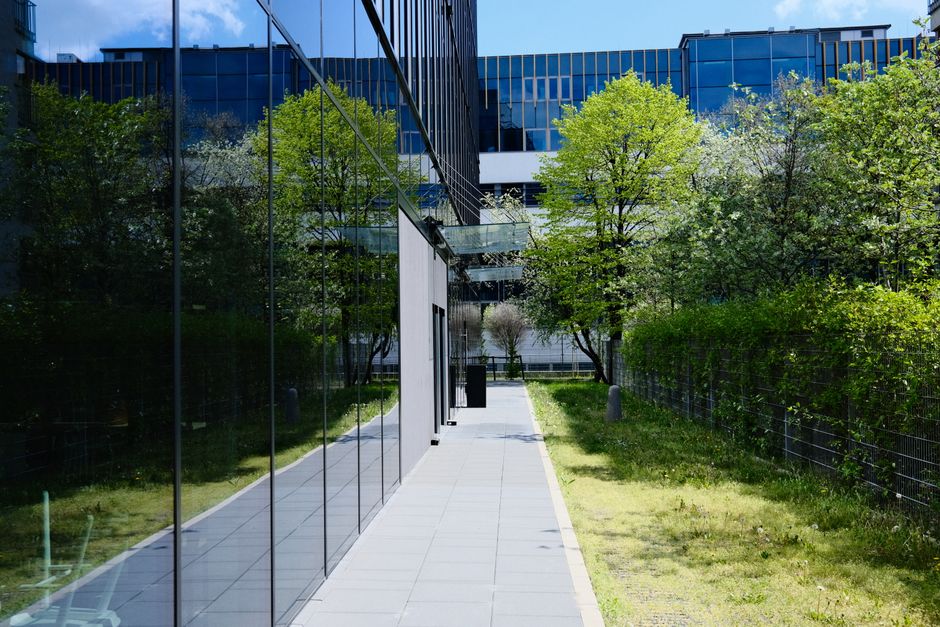
Commercial gardeners in Millwall for shops and offices

If you manage a shopfront, office courtyard, business park edge, or even a small planted entrance in Millwall, you already know the difference a tidy landscape can make. Commercial gardeners in Millwall for shops and offices are not just about "keeping things neat"; they help shape first impressions, reduce day-to-day maintenance headaches, and keep outdoor areas working properly through the seasons. In a busy part of London, that matters. A lot.
This guide breaks down what commercial gardening means in practice, how the service usually works, where the value really comes from, and what to look for before you choose a provider. You'll also find a checklist, a comparison table, and a few real-world scenarios that mirror the kinds of problems businesses run into all the time-wind-blown litter, tired planting, overgrown hedges, patchy lawns, slippery patios, the whole lot.
- Why it matters
- How it works
- Key benefits
- Who needs this service
- Step-by-step guidance
- Expert tips
- Common mistakes
- Tools, resources and recommendations
- Law, compliance and best practice
- Options and comparison
- Case study example
- Practical checklist
- Conclusion
- Frequently asked questions
Why Commercial gardeners in Millwall for shops and offices Matters
For a business, exterior space is part of the brand. That sounds obvious, but it's easy to overlook when everyone is focused on sales, operations, and the constant buzz of the working day. A shop entrance with clipped planting, clean paving, and healthy greenery feels more inviting. An office with a well-kept courtyard or entrance bed feels organised and cared for. People notice, even if they don't say it out loud.
Millwall brings its own practical challenges too. Urban planting can be exposed to wind tunnels, compacted soil, pollution, shade from nearby buildings, and the wear-and-tear that comes with frequent foot traffic. Commercial gardeners understand how those conditions affect plants, lawns, hedging, and hard landscaping. They also know that the work has to be done quietly, efficiently, and with minimum disruption.
There's another angle that business owners sometimes miss: consistency. A one-off tidy-up may look good for a week or two, but commercial grounds need steady attention. Without it, weeds creep in, hedges lose shape, and the whole front-of-house impression starts to slip. That is rarely dramatic. It's more like a slow fade. Which is why a planned maintenance approach usually works best.
For shops, the stakes are especially immediate. Customers decide whether to step inside based on the first few seconds. For offices, outdoor presentation affects staff morale, visitor confidence, and the general sense of professionalism. If your property is part of a shared building or managed estate, there's often a wider expectation that the exterior stays safe, usable, and tidy for everyone.
Expert summary: Good commercial gardening is part aesthetic, part safety, and part operational discipline. The best results come from routine care, sensible planting choices, and a service plan that matches the pace of a real business, not a domestic garden.
How Commercial gardeners in Millwall for shops and offices Works
Commercial gardening usually starts with a site assessment. A gardener looks at what's already there, what's failing, and what the space actually needs. This may sound basic, but it's where the useful decisions begin. A shaded entrance bed needs different plants than a south-facing border. A high-traffic office patio needs different cleaning and maintenance than a decorative courtyard with little footfall.
From there, the work is usually shaped into a schedule. That might mean weekly visits in spring and summer, less frequent maintenance in winter, or a seasonal mix of pruning, mowing, planting, and clean-up tasks. Good planning avoids the common problem of "emergency gardening," where everything is left until it looks rough and then has to be fixed in a rush.
Commercial services can include regular garden maintenance, lawn mowing, hedge trimming, patio cleaning, planting refreshes, weed control, edging, and larger landscaping tasks when the site needs a reset. If the property has tree-related issues, specialist work may also be needed. For more intensive outdoor improvements, you may also want to explore professional gardening services and related support such as ongoing garden maintenance.
In real terms, the process often looks like this:
- Inspect the site and identify immediate priorities.
- Agree what needs routine upkeep and what needs deeper improvement.
- Set a visit frequency that suits the property and season.
- Carry out the work with minimal disruption to staff, customers, or deliveries.
- Review progress and adjust the plan as the landscape changes.
That final step matters more than people think. A planting scheme that works in April may need extra care by August. A hedge that looked fine in autumn might be getting in the way by spring. Commercial gardening is not a "set and forget" service. It's a live system, really.
Key Benefits and Practical Advantages
The most obvious benefit is presentation, but the practical value goes much further. Businesses that invest in regular exterior care often save time, reduce avoidable repairs, and avoid those awkward moments where a client arrives and the front step looks like it has been ignored for months. Let's face it, nobody wants to greet visitors beside a patch of dead leaves and a half-collapsed shrub.
Here are the main advantages in plain English:
- Better first impressions: clean, balanced planting and tidy edges make a space look intentional.
- Safer access routes: cleared paths, manageable growth, and less debris reduce trip and slip risks.
- Lower long-term costs: routine care is usually easier than rescuing an overgrown site later.
- Healthier plants: pruning, feeding, and timely replacement help planting last longer.
- Improved staff environment: a pleasant outdoor area can make breaks and arrivals feel calmer.
- Seasonal resilience: the site is better prepared for wind, frost, heavy rain, and summer stress.
There's also a subtle operational benefit. When the exterior is under control, site managers spend less time firefighting. No more chasing the same overgrown hedge every six weeks. No more patching up borders that were never maintained properly. The garden stops being a distraction and becomes a stable asset.
For office buildings, this can support a more professional workplace culture. For retail units, it helps create a frontage that feels cared for, not abandoned. If a business has outdoor seating, service access, or a rear courtyard, maintenance becomes even more valuable because those spaces are used directly, not just looked at.
You can also align commercial gardening with sustainability goals. Choosing tougher plants, reducing waste, reusing organic material where appropriate, and designing low-maintenance borders can all lower the burden on the site over time. A smart planting plan is not just prettier; it is calmer to live with.
For ideas on resilient planting and structural greenery, it can help to read about ground cover plants that suppress weeds and hedges that build privacy and shape.
Who This Is For and When It Makes Sense
This service is a strong fit for any business with visible outdoor space, but some sites feel the benefit more quickly than others. A small independent shop with a planters-and-pavement frontage may need light but regular attention. A corporate office with a courtyard, boundary planting, and a lawn area needs a more structured schedule. Different spaces, different pressures.
Commercial gardening makes sense when you recognise one or more of these situations:
- The front of your premises is starting to look tired or inconsistent.
- Staff are spending time dealing with weeds, leaves, or minor outdoor mess instead of core work.
- The site gets high footfall and needs clean, safe access points.
- Planting is present but not thriving, often because maintenance has been too irregular.
- There is a need for a more polished image for visitors, tenants, or customers.
- Outdoor features such as hedges, lawns, decking, or patios need specialist care.
Some businesses also need commercial gardening because they are simply not set up to do it themselves. Internal teams are busy. Facilities staff have other priorities. And a quick tidy with a strimmer or a leftover weekend approach is rarely enough once the space grows beyond a tiny frontage.
There's no shame in that. In fact, it's normal. A well-run office is not supposed to have someone guessing which weed is just a weed and which one is taking over the border. You hire specialists so the space gets handled properly.
Seasonality matters too. Before winter, many businesses want pruning, leaf clearance, and protection for vulnerable planting. In spring, the focus tends to shift toward recovery, weed control, and fresh growth. Summer often brings watering needs and more frequent trimming. If your business is in a windy or exposed spot, make sure the maintenance plan reflects that rather than treating all properties as identical.
Step-by-Step Guidance
If you're considering commercial gardeners in Millwall for shops and offices, a clear process makes the decision much easier. Here's a practical route that works well for most businesses.
1. Start with the visible pain points
Walk the site as if you were a customer. What do you see first? Is the hedge blocking signage? Are weeds appearing around paving joints? Is the lawn patchy or poorly edged? Start there. In many cases, the quickest wins are the most visible ones.
2. Separate routine care from improvement work
Some tasks are maintenance, some are recovery. Mowing and edging are routine. Replanting a failed bed, removing invasive ivy, or reshaping overgrown planting is improvement work. Keeping those separate helps with planning and budgeting.
3. Decide how often the site needs attention
A high-visibility shop frontage might need weekly or fortnightly visits in the growing season. An office courtyard may be fine with less frequent attention, provided the planting is chosen well. The right schedule depends on usage, plant choice, and exposure. Not every site needs the same pace.
4. Choose the right service mix
Many commercial sites need a blend of tasks rather than one service alone. For example, a property might combine lawn mowing, hedge trimming, and patio cleaning. If trees are part of the picture, tree surgery may be needed too.
5. Review the result after the first cycle
The first month or two tells you a lot. Is the site staying neat between visits? Are problem areas improving? Are plants coping with the conditions? A good provider will adjust the plan if needed, and that flexibility is worth a lot more than rigid promises.
It sounds simple, but this is where many businesses get it wrong: they want a neat garden, but they don't define what "neat" means for their site. Once the standard is clear, the work becomes much easier to manage.
Expert Tips for Better Results
Here are the small, practical choices that often make the biggest difference. They don't sound flashy. They just work.
- Choose planting for the site, not for the catalogue. A hardy, low-maintenance plant that suits shade or wind is usually a better commercial choice than something delicate and high-drama.
- Keep access in mind. Hedges, containers, and borders should never block entrances, visibility, or service routes.
- Use structure where possible. Even a modest office space looks better with defined edges, repeated planting, or a simple rhythm of containers.
- Plan for winter early. Don't wait until the first cold snap. Protective care is easier when it's done before stress sets in. A useful read on this is how to protect plants in winter.
- Don't ignore climbing plants. They can be useful for screening and softening hard surfaces, but only if they're managed. Unchecked ivy becomes a headache fast.
- Make clean-up part of the job. Cuttings, leaf litter, and swept debris should be removed properly, not left "for later". That later never comes, usually.
Another strong tip is to keep one eye on the broader visual balance. Businesses often over-focus on one area, like the entrance bed, and forget the side return or rear patio. Visitors do notice. Staff notice too. It's the little mismatch that makes a site feel unfinished.
If your space is compact, you may benefit from design ideas that make planting work harder, not bigger. For example, vertical planting and container gardening can be surprisingly useful around shops and offices.
And one more thing: keep a simple record of what was done, especially on larger sites. It helps spot patterns. If a border keeps failing in the same corner every winter, that is a clue, not a coincidence.
Common Mistakes to Avoid
Commercial outdoor spaces fail for predictable reasons. The good news is that most of them are avoidable once you know what to look for.
- Choosing purely on price. The cheapest option can become the most expensive if the work is inconsistent or poorly planned.
- Ignoring the site's actual conditions. A sunny office front and a shaded side passage need very different approaches.
- Letting hedges and shrubs grow without a schedule. Once growth gets out of hand, the reset takes longer and costs more.
- Using the wrong plants. Pretty but delicate planting can look great for a month and then struggle badly.
- Forgetting about hard landscaping. Clean paving, decking, and paths matter just as much as the planting. A tidy border beside a mossy patio feels unfinished.
- Not planning for wind and weather. Millwall can be surprisingly exposed in some spots, and poor plant choice shows up quickly. See also practical ways to manage excessive wind.
- Leaving weed control too late. Small weeds are easy; established weeds in joints and borders are not. A few hours become a whole afternoon, then a Monday, and so on.
There's a quieter mistake too: treating the outdoor space as decorative only. In a business setting, the garden or frontage is also functional. It guides movement, affects safety, and shapes the mood of everyone arriving on site.
That balance between pretty and practical is where strong commercial gardening really earns its keep.
Tools, Resources and Recommendations
Commercial gardeners use a mix of basic and specialist kit depending on the job. For business owners, it helps to understand the broad categories because it gives you a better sense of what a provider is likely to need on site.
| Task | Typical tools or methods | Why it matters |
|---|---|---|
| Lawn care | Mowers, edging tools, scarifying or feeding when needed | Keeps grass neat, healthy, and presentable |
| Hedge work | Hedge trimmers, ladders, cutters, tidy-up tools | Maintains shape, visibility, and access |
| Weed control | Hand weeding, cultivators, safe treatment plans, mulching | Stops beds and paving from looking neglected |
| Patio and paving care | Pressure washing, sweeping, moss removal, spot treatment | Improves safety and appearance |
| Pruning and tree work | Secateurs, saws, pole tools, specialist safety gear | Manages overgrowth and reduces risk |
On the planning side, a few online resources on the same site can help businesses think more clearly about the space they have. For example, essential gardening tools is useful for understanding the basics behind good upkeep, while transforming an overgrown garden is a helpful reference if your site needs a reset rather than light maintenance.
If your business values sustainability, it may also be worth considering waste reduction and reuse where practical. Organic waste conversion, composting, and better planting choices can make the site more efficient over time. See revitalising land with organic waste conversion for a broader view of that approach.
And if your office or shop has small areas that feel awkward to maintain, a simple container plan can be a smart compromise. It gives you structure without the burden of a full border. Sometimes small is just easier. Nothing wrong with that.
Law, Compliance, Standards, or Best Practice
Commercial gardening for shops and offices sits alongside normal business responsibilities around safety, access, and site upkeep. Exact duties vary depending on the property, lease arrangements, and the type of work being done, so it's sensible to treat compliance carefully rather than casually.
In practical terms, that means thinking about:
- Safe access: paths, entrances, and service areas should remain usable and free from avoidable hazards.
- Worksite awareness: gardening tasks should be planned around staff, customers, deliveries, and building access.
- Risk management: tools, ladders, cutting equipment, and waste handling should be managed responsibly.
- Clear communication: business owners or site managers should know what work is happening and when.
- Data and privacy: if any contractor needs to access office premises, the business should understand how booking details and contact information are handled. The site's privacy policy and cookie policy are worth reviewing if you are handling enquiries online.
It is also sensible to ask about insurance and health-and-safety arrangements before agreeing ongoing work. A responsible provider should be able to explain how they manage site safety, what happens if something goes wrong, and how complaints are handled if the service falls short. You can review the business's insurance and safety information, as well as the health and safety policy, terms and conditions, payment and security, and complaints procedure where relevant.
For businesses using contractors regularly, it helps to keep the process straightforward: agree the scope, confirm timing, and document expectations. That's not bureaucracy for its own sake. It's just a practical way to avoid crossed wires.
If you are comparing providers, it's also fair to ask how they handle accessibility, equality of service, and modern slavery compliance in their supply chain. Those matters should be handled properly, even when the job is "just gardening".
Options, Methods, or Comparison Table
Not every business needs the same type of care. Some only need a tidy-up now and then. Others need a standing maintenance arrangement. Here's a simple comparison to make that clearer.
| Approach | Best for | Pros | Trade-offs |
|---|---|---|---|
| One-off clearance | Overgrown spaces, pre-sale presentation, neglected courtyards | Fast visual improvement, clears the backlog | Problem can return if no follow-up plan is set |
| Scheduled maintenance | Shops, offices, shared entrances, managed sites | Consistent appearance, easier budgeting, less stress | Requires regular commitment |
| Seasonal support | Sites that only need heavier work at certain times | Flexible and cost-conscious | Gaps can appear if the site changes faster than expected |
| Landscaping refresh | Spaces that look dated or are hard to maintain | Improves usability and appearance long-term | Needs more planning upfront |
For many shops and offices, the sweet spot is scheduled maintenance with the option of seasonal extras. That gives you continuity without locking you into a heavy, expensive regime you may not need. If the grounds are mainly decorative, light maintenance and well-chosen plants may be enough. If the site is functional too, the schedule needs to be a bit more robust.
You might also combine services. A frontage could use regular lawn care, while the rear area gets patio cleaning and border work. If the boundary is important for privacy, hedging becomes part of the picture. It's all connected, really.
Case Study or Real-World Example
Picture a small office building in Millwall with a narrow front strip, a side walkway, and a shared rear patio. At first glance, it does not look like much. But even modest spaces can drift into chaos when nobody owns them properly. The front hedge starts softening into a blob. The paving collects moss. A couple of containers dry out and look half-forgotten. Not catastrophic, just a bit sad.
In that kind of scenario, the first step is usually to tidy the space hard enough to reveal its structure again. The hedge is re-shaped, weeds are removed from joints, dead or weak plants are replaced, and the patio is cleaned. After that, the site moves onto a regular maintenance cycle. The result is not "perfect", because perfect is a bit of a silly word in gardening anyway, but it is balanced, manageable, and much more professional.
Now think of a retail shop with a visible entrance and a couple of planters by the doorway. The practical need is different. Here, the main priorities might be keeping the entrance open, making sure planting does not block signage, and choosing hardy plants that can cope with foot traffic, reflected heat, and sporadic attention. In that case, simplicity wins. A few strong, tidy elements often beat a crowded display that needs constant rescue.
One of the biggest lessons from real sites is that the best garden plan is the one people can actually maintain. Beautiful but fragile schemes are frustrating in business settings. Tough, clear, and repeatable tends to work better.
If a site has already been neglected, it can help to start with a recovery phase before moving to routine care. That is where overgrown-garden recovery ideas and practical weed control advice like these weed control tips can support the wider plan.
Practical Checklist
Use this checklist before you arrange commercial gardening support for a shop or office in Millwall.
- Walk the site and note the worst-looking areas first.
- Separate routine maintenance from one-off recovery work.
- Check whether the space needs mowing, hedge work, planting, cleaning, or all of them.
- Think about customer flow, staff access, and delivery routes.
- Ask how often the site should be visited through the seasons.
- Confirm whether the provider can handle hard landscaping or tree-related issues if needed.
- Review insurance, health and safety, and complaint handling before agreeing work.
- Choose planting that suits shade, wind, and foot traffic rather than just looks.
- Plan for leaf fall, winter protection, and spring regrowth in advance.
- Set a simple standard for what "tidy" actually means on your site.
If you can tick most of those off, you're already ahead of the game.
Get a free quote today and see how much you can save.
Conclusion
Commercial gardeners in Millwall for shops and offices do far more than mow a lawn or trim a hedge. They help businesses present themselves properly, keep outdoor areas safe and usable, and prevent small problems from becoming expensive ones. The real value comes from consistency: the right schedule, the right planting choices, and a clear plan that suits the property rather than fighting it.
If your frontage, courtyard, or office grounds have started to feel neglected, do not wait for a full reset to become unavoidable. A measured maintenance plan can bring the site back into shape without the drama. And once it's under control, it tends to stay that way. A calmer entrance. A cleaner path. A better first impression. Honestly, that changes more than people expect.
For a friendly next step, review the services, compare the site needs, and look over the company background on the about us page. When you're ready to talk through the specifics, you can make an enquiry through the contact page. Sometimes the simplest move is the one that gets everything moving again.
Frequently Asked Questions
What do commercial gardeners in Millwall for shops and offices actually do?
They handle the upkeep and improvement of business outdoor spaces. That can include lawn mowing, hedge trimming, planting, weed control, patio cleaning, seasonal tidy-ups, and larger landscape care. The exact mix depends on the property.
How often should a shop or office garden be maintained?
It depends on the site, the planting, and how visible the space is. Some frontages benefit from weekly or fortnightly visits in the growing season, while quieter spaces may only need monthly or seasonal attention.
Is commercial gardening different from domestic gardening?
Yes. Business sites usually need more consistent presentation, better planning around access and safety, and a maintenance schedule that works around customers, staff, and operations. The pace is different, even when the tasks look similar.
Can commercial gardeners help with overgrown areas?
Yes. Many commercial gardening jobs begin with a clearance phase, especially if the site has been neglected. Once the space is back under control, regular maintenance is usually the best way to keep it that way.
Do offices need landscaping or just maintenance?
Some offices only need maintenance, but others benefit from a redesign or refresh. If the layout is awkward, the planting is failing, or the outdoor area is hard to care for, landscaping can solve deeper problems rather than just treating the symptoms.
What should I ask before hiring a commercial gardener?
Ask about the services included, visit frequency, insurance, health and safety, how they handle waste, and whether they can support any specialist needs such as tree work or patio cleaning. It's also sensible to ask how they tailor work to your site.
Can commercial gardening improve safety?
Yes. Regular care can keep access routes clear, reduce slippery build-up on paths, and prevent overgrowth from blocking sightlines or entrances. Safety is one of the quieter benefits, but it matters a lot.
What if my business only has a small outdoor space?
Small spaces can still benefit hugely from professional care. In fact, compact frontages often need more precision because every planter, hedge, and paving slab is visible. A small space does not mean a small job.
Do commercial gardeners work around business hours?
Many do, depending on the site and the job. Early mornings, quieter periods, or pre-agreed access windows are often used to reduce disruption. That said, arrangements vary, so it's worth discussing your schedule clearly.
How do I know if my site needs a one-off job or ongoing maintenance?
If the space already looks manageable and just needs a reset before regular care begins, a one-off may be enough to start. If the same issues keep returning, ongoing maintenance is usually the better choice. Repetition is the clue.
Are hard landscaping and gardening usually connected?
Very often, yes. A garden or frontage usually includes both planting and hard surfaces such as paths, patios, decking, or edging. If one part is ignored, the whole site can look unfinished, even if the plants are fine.
Where can I learn more before making a decision?
It helps to review the service pages, read the company background, and look at practical gardening advice relevant to your space. If your site has a lot of planting decisions ahead, a few of the blog resources on ground cover, winter protection, and container planting are a good starting point.