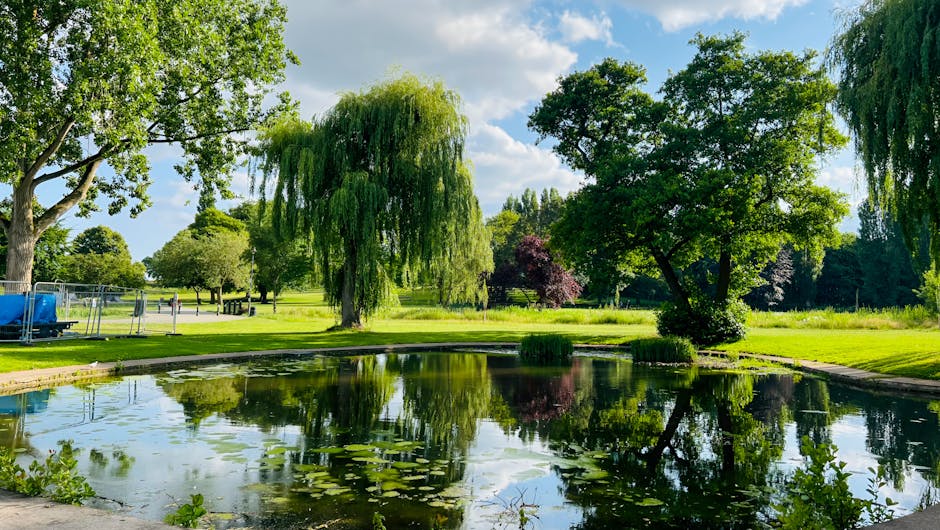
Best gardeners for Mudchute Park and Island Gardens E14
If you live near Mudchute Park and Island Gardens, you already know the area has its own gardening rhythm. Breezy stretches, compact plots, riverside exposure, pockets of shade, and the occasional overgrown corner all ask for a slightly different approach. That is exactly why choosing the Best gardeners for Mudchute Park and Island Gardens E14 is less about finding someone who can "do a bit of everything" and more about finding a team that understands local conditions, practical upkeep, and how to make a garden look cared for without making it feel overworked.
In this guide, we will look at what good local gardening support really involves, how services are usually delivered, which jobs make the biggest difference, and how to choose the right help for your space. You will also find a clear checklist, a comparison table, and a straightforward way to decide what to do next. No fluff. Just the kind of useful detail that saves time and avoids regrets.
Table of Contents
- Why Best gardeners for Mudchute Park and Island Gardens E14 Matters
- How Best gardeners for Mudchute Park and Island Gardens E14 Works
- Key Benefits and Practical Advantages
- Who This Is For and When It Makes Sense
- Step-by-Step Guidance
- Expert Tips for Better Results
- Common Mistakes to Avoid
- Tools, Resources and Recommendations
- Law, Compliance, Standards, or Best Practice
- Options, Methods, or Comparison Table
- Case Study or Real-World Example
- Practical Checklist
- Conclusion
- Frequently Asked Questions
Why Best gardeners for Mudchute Park and Island Gardens E14 Matters
Garden care in this part of East London is not just about keeping things neat. It is about working with a site that may face wind off open spaces, saltier air in exposed spots, patchy soil in some borders, and heavier footfall around seating areas or access paths. A knowledgeable gardener sees those conditions and adjusts the work accordingly. That might mean choosing tougher planting, improving drainage, cutting back the right plants at the right time, or keeping hedges trimmed so they do not become scruffy and unruly by mid-season.
For homeowners, landlords, and property managers alike, the right gardener can make the difference between a space that constantly feels behind and one that feels calm, functional, and easy to enjoy. Let's face it, a garden that always looks half-finished becomes another chore hanging over your week. A good local service reduces that pressure and helps you stay ahead of the mess.
There is also a trust element. When you invite someone to care for your garden, you want them to be careful around fences, paving, decking, pets, children's play areas, and any sensitive plants you have spent time nurturing. That is where experience really shows. You can hear it in the way a professional talks about soil, pruning, seasonal timing, and aftercare without turning everything into a lecture.
If your garden has become overgrown, you may want to begin with transforming an overgrown garden into a stunning oasis, because the first step is often to restore structure before focusing on details.
How Best gardeners for Mudchute Park and Island Gardens E14 Works
At its simplest, the process starts with a proper look at the garden. Not a quick glance from the gate, but an actual assessment of what the site needs now, what it will need in a month, and what may become a problem later if ignored. That usually includes lawn condition, hedge growth, weeds, access routes, borders, shrubs, trees, and any hard surfaces that have gathered grime or algae.
From there, a gardener will usually shape the work into manageable tasks. A lot depends on the condition of the space and your priorities. For some people, it is about weekly or fortnightly maintenance. For others, it is a one-off reset followed by lighter upkeep. You may want lawn mowing, hedge trimming, patio cleaning, planting, weed control, or more structured garden maintenance. The best services keep the plan practical rather than trying to sell you a dramatic overhaul you do not need.
Good gardeners also think seasonally. A spring visit might focus on fresh growth, edging, and feeding. Summer tends to be about keeping lawns tidy, controlling weeds, and making sure borders do not become chaotic. Autumn is often the time for clearing, pruning, and preparing for tougher weather. Winter, to be fair, is not a dead season at all; it is the time to protect tender plants and reduce damage from frost or wind. If you want a useful seasonal reference, this guide to winter plant protection is a strong companion read.
In exposed spots, wind management matters more than many people realise. A skilled gardener will not just trim everything short and hope for the best. They may shape planting to reduce strain and use the right supports and pruning decisions to help the garden withstand rougher conditions. For more on that practical side, see managing excessive wind in your garden.
Key Benefits and Practical Advantages
The main benefit is obvious: the garden looks and functions better. But the deeper value is in the way good work reduces future problems. A tidy border with the right plants will usually need less fuss later. A properly cut hedge lets in light without becoming leggy. A cleared patio becomes usable again instead of becoming the place where everything gets dumped because nobody wants to deal with it. Small wins, but they add up.
Here are the practical advantages people notice most:
- Less ongoing stress because maintenance is handled before things get out of hand.
- Better presentation for homes, rentals, or shared outdoor areas.
- Healthier planting through appropriate pruning, watering, mulching, and seasonal care.
- Safer access when paths, steps, and surfaces are kept clear.
- Smarter plant choices for shade, wind, privacy, or low maintenance needs.
- More usable space for sitting, planting, children, or pets.
There is also a design benefit that gets overlooked. A well-managed garden does not only "look neat"; it gives the eye a place to rest. Clean lines, healthy edges, and simple planting structure can make even a modest space feel better proportioned. If you are trying to create a place to actually sit and unwind, designing perfect garden seating spaces is worth exploring.
And if you are working with a smaller plot or balcony-style outdoor area, container planting can be a smart part of the solution. In places where soil quality is mixed or ground space is limited, containers bring flexibility. More on that in exploring the wonders of container gardening.
Who This Is For and When It Makes Sense
This kind of local gardening support suits more people than you might expect. It is not just for large properties with perfect lawns and ornamental borders. In fact, some of the most useful work happens in everyday spaces that simply need consistency and a sensible eye.
You may benefit if you are:
- a homeowner who wants the garden to stay presentable without sacrificing weekends
- a landlord or letting agent looking after a rental garden between tenancies
- a busy family needing safe, practical outdoor space for children
- a pet owner who wants a cleaner, more manageable layout
- someone returning an abandoned or neglected plot back into shape
- an older resident who prefers dependable help with heavier tasks
It also makes sense if you have a specific problem that keeps coming back. Ivy creeping across fencing. Hedges growing too fast. Patchy grass. A patio that looks tired. Or a border that started with good intentions and now looks like a plant competition gone slightly wrong. It happens.
If privacy is a concern, there are smart planting and hedge options to consider. The article on thriving hedges for ultimate privacy is a useful reference when you want screening without turning the garden into a wall of green.
For people trying to keep things simple and affordable, a low-maintenance approach may be the best route. You do not need to turn your outdoor space into a full project. Sometimes the smartest move is just choosing a better maintenance rhythm. That is why guides like budget-friendly low-maintenance ideas are genuinely helpful.
Step-by-Step Guidance
If you are unsure how to begin, use this process. It keeps things calm and practical, which is usually what people want in the end.
- Walk the garden properly. Look at what feels urgent: weeds, hedge height, lawn patches, mud, broken edges, blocked paths, dead growth.
- Separate the jobs. Split the work into maintenance, repair, and improvement. Not everything needs doing at once, and honestly that is a relief.
- Decide your priority. Is it appearance, safety, privacy, plant health, or better use of space? The best gardener will tailor the plan to that priority.
- Ask for a clear scope. A good quote should explain what is included, what is not, and whether waste removal or follow-up visits are needed.
- Start with the reset. If the garden is overgrown or messy, deal with structure first. That may mean clearance, ivy removal, hedge reduction, or a lawn recovery.
- Move into maintenance. Once the garden is back under control, set a realistic schedule. This is where most long-term value comes from.
- Review after the first visit. Check whether the work feels tidy, proportionate, and aligned with what you asked for. Good communication matters here.
A practical example: a small riverside-facing garden might start with trimming wind-lashed shrubs, lifting tired lawn edges, cleaning a slippery path, and replacing a couple of weak border plants with tougher ones. That is not glamorous work, but it changes the feel of the space immediately.
If weeds are one of your biggest frustrations, it is worth reading three essential weed control tips. Weed management is rarely about one miracle fix; it is about steady, sensible control.
Expert Tips for Better Results
Good results usually come from a few thoughtful choices, not from more effort for its own sake. Here are some things experienced gardeners pay attention to.
1. Match the plant to the site. A plant that looks lovely in a sheltered courtyard may struggle in a windier, more open patch. If the area is shady, choose accordingly. If it dries out quickly, choose drought-tolerant varieties. A garden becomes easier the moment the planting matches the conditions.
2. Cut for health, not just neatness. Hedges and shrubs should be shaped with plant health in mind. Over-cutting can leave a hedge thin and awkward. If hedge care is on your list, hedge trimming support in Millwall is relevant for the sort of tidy, controlled finish many people want.
3. Protect the hard surfaces too. A garden can look lovely yet still feel unpleasant if patios and paths are slippery. Cleaning these areas can lift the whole space. For that, patio cleaning often makes a bigger visual difference than people expect.
4. Think in layers. Ground cover, shrubs, climbers, and occasional focal plants tend to work better than trying to make every plant shout for attention. If you want inspiration, the piece on ground cover plants for UK gardens is a good starting point.
5. Do not ignore vertical space. If your garden is narrow, climb instead of spreading out. Vertical planting can soften fences and make small areas feel more complete. There is a helpful guide on vertical gardening for exactly that reason.
6. Keep winter damage in mind early. It is much easier to prevent losses than repair them. Some beds simply need a little protective planning. In practice, that often means mulching, sheltering tender pots, and avoiding late hard pruning on vulnerable plants.
A well-kept garden usually does not happen by accident. It comes from a few decent decisions repeated at the right time.
Common Mistakes to Avoid
The most common mistake is overestimating how much can be fixed in one visit. People often think a garden needs a dramatic all-day blast, but what it really needs is a calm sequence: cut back, clear, assess, then improve. Trying to do everything in one go can create more mess than progress.
Other mistakes include:
- Choosing the cheapest quote without checking scope - cheap can be fine, but only if the work is actually defined.
- Ignoring aftercare - a newly trimmed hedge or cleared bed still needs follow-up.
- Cutting plants at the wrong time - some shrubs and climbers respond badly to harsh timing.
- Leaving ivy too long - once ivy gets established, removal becomes much more awkward. The guide on removing ivy permanently is worth a look if that is already an issue.
- Forgetting weather exposure - London gardens are not all sheltered, and some feel much harsher than they look on paper.
- Overfilling small spaces - too many varieties can make a garden feel busy rather than serene.
There is also a subtle one: expecting a garden to stay perfect forever after a single tidy-up. Truth be told, gardens are living systems. They shift. They grow. They sulk a bit after rough weather. That is normal. Good gardeners work with that reality instead of pretending otherwise.
Tools, Resources and Recommendations
A well-equipped gardener does not need a van full of shiny gadgets, but a few essentials make a big difference. The right kit keeps work faster, safer, and cleaner.
- Hand tools for weeding, edging, pruning, and small planting jobs
- Cutting tools for hedge and shrub shaping
- Turf and lawn care basics for mowing, feeding, scarifying, and patch repair
- Protective gear for safer handling of thorny or heavy work
- Green waste handling so cleared material does not become a second problem
If you are curious about the basics, essential gardening tools every green thumb needs gives a practical overview without overcomplicating things.
For larger clearances or seasonal garden refreshes, professional garden maintenance and landscaping support can help bring structure back faster. In some cases, tree work is part of the picture too, especially if shade, overgrowth, or safety are becoming issues. You can explore tree surgery when branches, size, or health need attention beyond normal pruning.
And if you are rebuilding a tired garden, new fencing, a fresh layout, or a better seating zone may be worth considering. A garden often improves in stages, not all at once. That is completely fine.
Law, Compliance, Standards, or Best Practice
For most domestic garden jobs, the main expectation is simply safe, tidy, and considerate work. Still, there are a few best-practice points that sensible gardeners follow in the UK.
First, waste should be handled responsibly. Clearings, clippings, and prunings should not be left to rot in awkward piles unless that is part of a planned composting approach. If green waste is being removed or repurposed, it should be done in a way that keeps the site tidy and avoids nuisance.
Second, health and safety matters. That includes careful use of tools, clear access routes, attention to trip hazards, and sensible handling of ladders, cutting equipment, and heavy materials. If you want to know how a professional provider approaches that, the health and safety policy page is worth reviewing alongside insurance and safety.
Third, it is good practice for any service provider to be clear about pricing, payment, and what happens if plans change. That means written expectations, straightforward communication, and no awkward surprises halfway through a job. The pages on pricing and quotes, payment and security, and terms and conditions can help set those expectations.
Finally, trustworthy companies tend to be open about how they work. Pages such as about us, complaints procedure, privacy policy, cookie policy, and accessibility statement are often small signs of a business that thinks beyond the immediate job. Not flashy, but reassuring.
Options, Methods, or Comparison Table
Different gardens need different levels of input. Here is a simple comparison to help you decide what sort of help fits best.
| Approach | Best for | Strengths | Watch-outs |
|---|---|---|---|
| One-off clearance | Overgrown, neglected, or newly inherited gardens | Fast reset, immediate visual improvement | Without follow-up, the garden can slide back |
| Regular maintenance | Homes that want ongoing neatness and control | Consistent appearance, easier long-term upkeep | Needs a realistic schedule to be effective |
| Targeted service visits | Specific issues like hedges, lawns, ivy, or patios | Focused value on a single problem area | May not address broader garden decline |
| Garden redesign support | Spaces that need better layout, privacy, or structure | Improves use, flow, and appearance | Usually takes more planning and budget |
If you are unsure which route to take, think about how the garden feels on a wet Tuesday morning. Is it simply untidy, or does it actually not work for you anymore? That answer usually points you in the right direction.
Case Study or Real-World Example
Here is a realistic example based on the kind of work many local gardens need. A small family garden near the E14 area had three main issues: a lawn full of patchy growth, a hedge that was blocking light, and a patio that had become slippery and dull. The owners did not want a full redesign. They just wanted the space usable again, and quickly.
The work began with a clear-out of weeds and cut-back growth along the fence line. The hedge was reduced carefully rather than hacked down, which let more daylight reach the garden without stripping away privacy. The patio was cleaned, and the lawn was mown, edged, and assessed for weak areas. A couple of hardy border plants were kept, but the weaker ones were replaced with lower-maintenance options that suited the conditions better.
What changed? Not just the look. The family started using the space again. Breakfast outside on a warm morning. A child's football not immediately vanishing into long grass. Less mud tracked indoors. Just easier living, really. That is the part people often miss when talking about "best gardeners" - the best outcome is not always the prettiest before-and-after photo. Sometimes it is the quiet relief of a garden that finally works.
If the same sort of overhaul is on your mind, the guide on transforming an overgrown garden into a stunning oasis captures the logic behind that kind of reset very well.
Practical Checklist
Use this before booking or arranging the next visit.
- Identify your top three garden problems
- Decide whether you need a one-off visit or regular care
- Check whether hedges, lawns, patios, fencing, or trees need attention
- Note any windy, shady, or exposed parts of the garden
- List plants you want kept, protected, or replaced
- Ask what is included in the quote
- Ask how waste and clippings will be handled
- Confirm access, parking, and any timing constraints
- Review safety, payment, and service terms
- Set a follow-up date if the garden needs ongoing maintenance
One small but useful detail: take a few photos before the visit. It helps you compare results later, and it makes it easier to discuss priorities without relying on memory. Memory is a slippery thing when the garden is already a bit of a jungle.
Get a free quote today and see how much you can save.
Conclusion
Finding the Best gardeners for Mudchute Park and Island Gardens E14 is really about finding calm, capable help that understands local conditions and gives your outdoor space the right amount of attention. Not too much. Not too little. Just enough skill, timing, and common sense to make the garden feel lighter, healthier, and far easier to enjoy.
Whether you need a full reset, regular upkeep, hedge work, lawn care, patio cleaning, or advice on how to make a tricky space more manageable, the smartest choice is always the one that fits your garden as it is right now. Start with the real problem, not the idealised one. That approach saves money, time, and a fair bit of frustration.
If you are ready to take the next step, speak to a local team that can explain the work clearly, respect your space, and help you build a garden that feels properly looked after. A good garden does not just look better. It makes daily life feel a bit easier, which is no small thing.
Frequently Asked Questions
What should I look for when choosing gardeners near Mudchute Park and Island Gardens E14?
Look for clear communication, relevant local experience, a sensible approach to maintenance, and a service scope that matches your actual needs. You want someone who asks good questions, not just someone who says yes to everything.
Do I need regular garden maintenance or just a one-off tidy-up?
If the garden keeps drifting into mess, regular maintenance usually saves time and stress. If the problem is a sudden build-up of overgrowth or seasonal clutter, a one-off tidy-up may be enough to reset things first.
Can a gardener help with overgrown hedges and ivy?
Yes. Hedge trimming and ivy removal are common jobs, and they can make a dramatic difference to light, access, and overall appearance. Ivy especially should be dealt with carefully, because it can spread and cling to surfaces.
Is patio cleaning worth adding to a garden visit?
Usually, yes. A clean patio changes how the whole garden feels, especially if it has become slippery, dull, or stained. It is one of those jobs that looks small on paper and big in real life.
What if my garden is small or awkwardly shaped?
Small gardens often benefit the most from skilled care. Good structure, vertical planting, and restrained planting choices can make awkward spaces feel much more open and usable.
How often should lawn care be carried out?
That depends on the season, the weather, and how much use the lawn gets. In practice, regular mowing and basic lawn care during the growing season usually keep things much more manageable than sporadic cuts.
Do gardeners help with design as well as maintenance?
Some do, especially when a garden needs better layout, privacy, or more usable seating space. Others focus mainly on upkeep. If design matters to you, ask about it before booking so you know what level of support you are getting.
What happens if a garden has been neglected for years?
A proper clearance and staged recovery plan is usually the best route. Most neglected gardens can be brought back into shape, but it is usually better to do the work in phases rather than trying to fix everything in one exhausting sweep.
Are there safety considerations I should ask about?
Yes. Ask about insurance, safe tool use, access around children or pets, and how waste will be handled. Good providers are usually happy to explain this plainly. It is a fair question, not a fussy one.
How do I know if a quote is fair?
A fair quote should describe the work clearly, explain what is included, and match the size and condition of the garden. If something seems vague, ask for more detail. The cheapest quote is not always the best value if it leaves half the job undone.
Can gardeners help make a garden more wildlife-friendly or climate-conscious?
Yes, and this is becoming more common. Better planting choices, composting, reduced waste, and pollinator-friendly ideas can all support a more resilient garden. If that interests you, the article on gardening in the fight against climate change is a thoughtful read.
How do I get started if I am not sure what service I need?
Start with your top concern: lawn, hedge, weeds, clearance, or design. Then ask for an assessment and a clear plan. You do not need to know every technical term before reaching out. A good gardener will help translate the mess into a sensible plan.
If you want to keep learning about useful garden improvements, you may also enjoy practical gardening tips for beginners, especially if you are taking a more hands-on approach at home.