020 3744 3778
Budget-Friendly Gardening: 5 Low Maintenance Ideas for Every Home
Posted on 09/09/2025
Budget-Friendly Gardening: 5 Low Maintenance Ideas for Every Home
If you long for a beautiful garden but worry about costs and upkeep, you're not alone. Budget-friendly gardening has never been more popular, and the good news is that it's both achievable and rewarding! By choosing low maintenance garden ideas and sustainable practices, you can create a vibrant, thriving space without spending a fortune -- and without dedicating every weekend to yard work. In this comprehensive guide, we'll explore five ingenious approaches to saving money and time while developing a lush, welcoming garden suitable for any home.
Why Choose a Budget-Friendly, Low Maintenance Garden?
Gardening should be a source of joy instead of a financial drain or a chore. Here's why focusing on affordable, easy-to-care-for gardening methods makes incredible sense:
- Saves money: Reduce investment in plants, tools, soil, and water.
- Saves time: Minimize ongoing maintenance for busy schedules or beginners.
- Eco-friendly: Lower reliance on chemicals, water, and unnecessary supplies.
- Stress free: Enjoy the benefits of greenery with less work and worry.
- Accessible: Anyone, regardless of expertise or property size, can create a thriving garden.
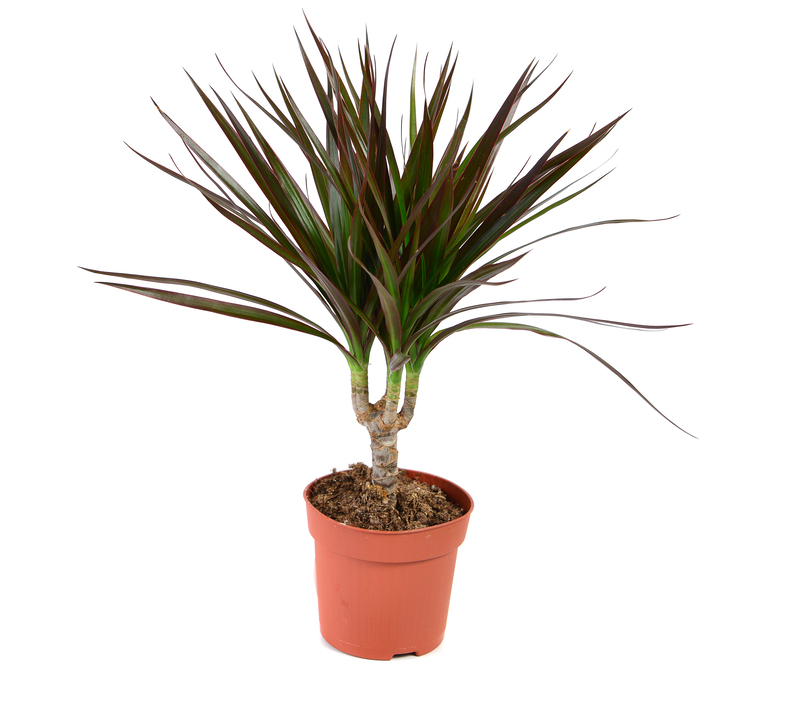
1. Start with Hardy, Drought-Tolerant Plants
One of the secrets to a cost-effective, easy-to-maintain garden is choosing the right plants. Drought-tolerant and native species require less watering, are less susceptible to pests, and often flourish with little intervention.
Benefits of Native and Drought-Resistant Plants
- Reduced water needs: Save on water bills and support local ecosystems.
- Greater resilience: Native plants adapt well to your climate and soil.
- Lower maintenance: Less pruning, fertilizing, and pest control required.
Consider these versatile, attractive options for a low-cost, low-maintenance garden:
- Sedum (Stonecrop): Rich in texture, thrives in poor soil and full sun.
- Lavender: Aromatic, hardy, and perfect as a border or feature plant.
- Black-eyed Susan (Rudbeckia): Bright blooms that attract pollinators.
- Hostas: Ideal for shade areas, require minimal care.
- Rosemary & Thyme: Useful herbs that double as garden accents.
Pro Tip: Visit a local plant swap or garden center for native seeds and cuttings -- often at little or no cost!
2. Use Mulch for Easy Care and Water Savings
Mulching is a budget gardening essential. By spreading a layer of organic or inorganic mulch around your plants and garden beds, you'll enjoy several key benefits:
- Locks in moisture: Reduce watering frequency and cost.
- Suppresses weeds: Makes garden beds lower maintenance.
- Improves soil quality: Organic mulches decompose over time, enriching the earth.
- Reduces erosion: Keeps soil in place after heavy rains.
How to Mulch on a Budget
You don't need pricey store-bought mulch. Budget-minded gardeners recycle materials from home or the neighborhood:
- Grass clippings: Leftover from mowing, nitrogen-rich.
- Shredded leaves: Free and abundant in autumn.
- Cardboard & newspaper: Perfect under other mulches for weed control.
- Wood chips: Sourced inexpensively or free from tree services.
For maximum savings and simplicity, apply a 2-3 inch layer around plants in the spring. Replace or top up as needed.
3. Embrace Container Gardening and Upcycling
You don't need a sprawling backyard to enjoy affordable gardening. Container gardening allows you to easily control soil, manage weeds, and move plants as needed -- all with very little effort!
Why Container Gardens Are Ideal for Low Maintenance
- Portability: Relocate plants for sun, shade, or aesthetic changes.
- Pest control: Isolate sick plants and prevent spread of disease.
- Minimal weeding: Small, confined spaces are easy to inspect and maintain.
- Space saving: Perfect for patios, porches, balconies, or windowsills.
Best of all, container gardening encourages creativity and thriftiness. Try upcycled materials such as:
- Old buckets
- Wooden crates
- Tin cans
- Plastic bottles
- Unused furniture drawers
Simply ensure there's adequate drainage, add well-draining soil, and plant herbs, annuals, or compact veggies. With just a little water and occasional feeding, these micro-gardens require barely any maintenance -- and almost no money.
4. Practice DIY Composting for Fertile, Low-Cost Soil
Fertilizer doesn't have to be expensive or synthetic. With homemade compost, you can boost plant health, save money, and reduce household waste -- all while producing nutrient-rich soil amendments.
How to Start Composting for Beginners
- Pick a composting method: Simple heaps, a DIY bin, or a store-bought tumbler all work fine.
-
Collect your compostables:
- Fruit and vegetable scraps
- Coffee grounds and tea bags
- Eggshells
- Shredded paper
- Yard waste (leaves, twigs, grass clippings)
- Layer green and brown materials: Balance wet greens with dry browns for faster breakdown.
- Mix or aerate weekly: Turn to speed up decomposition and minimize odors.
- Use finished compost: Enrich flower beds, veggie patches, or potted plants.
With a little effort upfront, you'll enjoy years of no-cost organic fertilizer -- a real budget gardening game-changer!
5. Design Smart with Groundcovers and Perennial Borders
Looking for a truly low maintenance, budget-friendly garden idea? Replace thirsty lawns or high-maintenance flower beds with groundcovers and perennial plants.
Advantages of Groundcovers and Perennials
- Choke out weeds: Dense, spreading plants block light and reduce weeding needs.
- Save on mowing: Groundcovers replace traditional lawn grass and need no mowing.
- Return each year: Perennials regrow season after season, eliminating replanting costs.
- Easy to propagate: Many varieties can be divided or spread on their own.
Top low maintenance perennial plants and groundcovers for any climate include:
- Creeping thyme: Fragrant and beautiful, tolerates foot traffic
- Daylilies: Almost indestructible, vivid summer blooms
- Lamb's ear: Soft, drought-proof foliage
- Ajuga (Bugleweed): Colorful leaves, spreads rapidly in partial shade
- Coneflower (Echinacea): Drought-tolerant, long-lasting flowers, pollinator friendly
Tip: Ask neighbors or online gardening groups for divisions or cuttings to multiply your landscape for free!
Extra Tips for Cost-Effective, Easy Gardening
- Harvest rainwater: Collect in barrels for free irrigation.
- Shop at end-of-season sales: Many nurseries discount plants in autumn or after flowering season.
- Grow from seed: Seeds cost a fraction of nursery plants. Save seeds from healthy flowers for next year!
- Plant densely: Minimize exposed soil, reduce weeding, and maximize color/pop.
- Use slow-release fertilizer: Save money and time on repeated applications.
Conclusion: Transform Your Home Garden for Less
*Low maintenance gardening* doesn't mean boring or sparse -- it means being smarter about your choices. From picking hardy plants and mulching, to upcycling containers and composting kitchen scraps, there are countless ways to create a striking, thriving garden on any budget.
By utilizing these budget-friendly, low-maintenance gardening ideas, you can design a personalized oasis that brings joy season after season -- without breaking the bank or tying you down with chores.
Ready to get started? Choose just one or two techniques from the list above and see how easy it is to transform your space. Happy gardening!
```Latest Posts
Unlock Your Green Thumb: 9 Vital Gardening Tips for Newbies
Crafting a Magical Oasis: Designing a Child-Friendly Garden
Evergreen Climbers for Shade: Unveiling Hidden Potential
Crafting a Garden Haven for Your Little Ones
Budget-Friendly Gardening: 5 Low Maintenance Ideas for Every Home